Vivo V40 Pro 5G : Back in the sweltering summer of 2024, Vivo dropped the V40 Pro 5G into India’s hyper-competitive smartphone market, promising a blend of sleek style, Zeiss-tuned cameras, and powerhouse performance.
Nearly two years on, as of March 2026, this phone refuses to fade into obscurity. Price cuts have made it a steal around ₹43,000, drawing in budget-conscious buyers who want premium vibes without breaking the bank.
Launch Buzz and Initial Hype
When Vivo unveiled the V40 Pro alongside its sibling, the V40, on August 7, 2024, the excitement was palpable. Priced starting at ₹49,999 for the 8GB RAM + 256GB variant, it targeted users craving camera prowess and 5G speeds.
The launch event highlighted its “Aura Light” portrait tech and IP68 rating, positioning it as a selfie superstar for social media addicts.
Sales kicked off soon after, with the Pro model hitting shelves on August 13, and early adopters raved about its slim 7.6mm profile weighing just 192g.
I remember unboxing mine back then—the Ganges Blue finish shimmered like river waves under light, a far cry from the matte finishes dominating the scene.
Vivo nailed the premium feel right out of the gate, even if the keyhole camera module raised a few eyebrows for its quirky design.
By late 2024, it had carved a niche among influencers and casual photographers, but whispers of camera inconsistencies started surfacing in forums.
Design That Turns Heads
What sets the V40 Pro apart is its unapologetically curvaceous build. The 6.78-inch 3D-curved AMOLED display wraps around the edges, creating an illusion of slimness despite packing a massive 5,500mAh battery.
Schott Xensation α glass shields the 1,260 x 2,800-pixel panel, which hits 120Hz refresh rates and HDR10+ for vibrant Netflix binges. Skinny bezels and a reliable under-display fingerprint scanner seal the deal for daily usability.
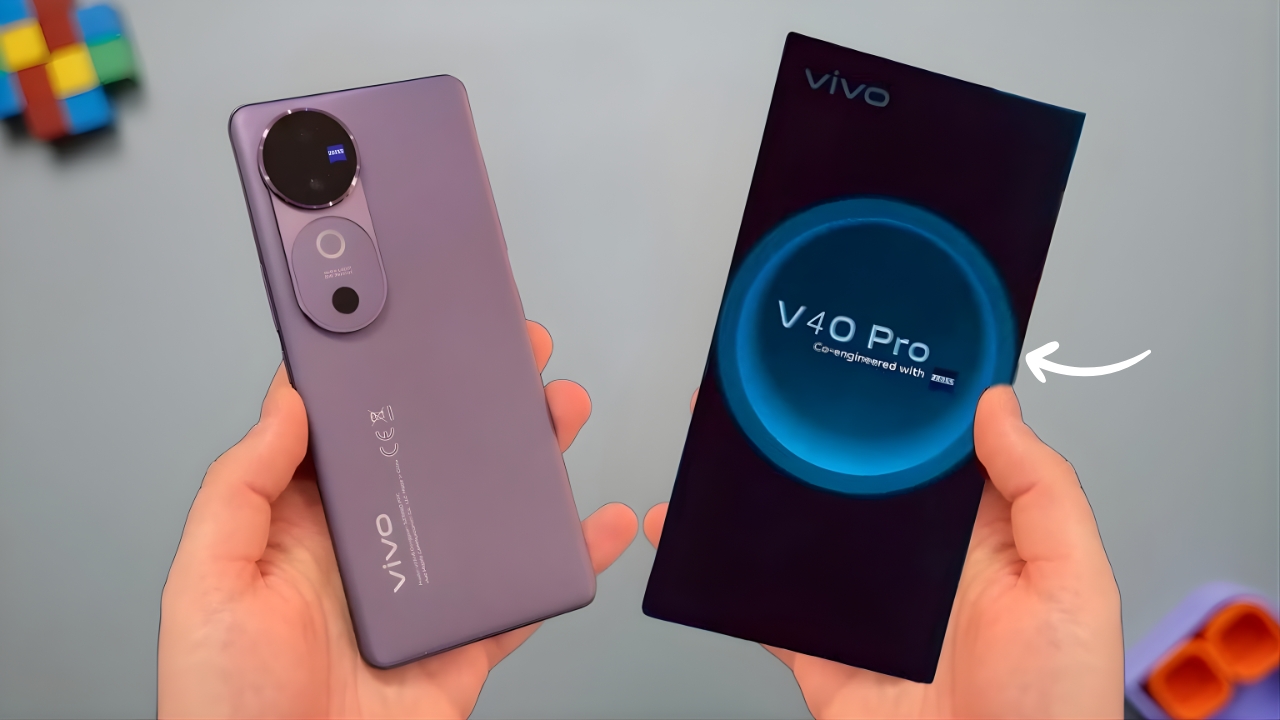
The frame blends polycarbonate with flattened top and bottom edges for grip, available in Titanium Grey or Moonlight White too. IP68 dust-water resistance means no panic during monsoon downpours, a step up from predecessors.
Sure, it’s slippery without a case, and the curved screen invites accidental touches, but holding it feels luxurious—like a high-end compact camera rather than a slab of glass.
Power Under the Hood
At its core thumps the MediaTek Dimensity 9200+ chipset, an octa-core beast clocking up to 3.35GHz with Immortalis-G715 GPU. Paired with 8GB or 12GB LPDDR5X RAM and UFS 3.1 storage up to 512GB, it handles multitasking like a champ.
Benchmarks clocked AnTuTu scores over 1.5 million, neck-and-neck with pricier rivals like Realme GT 6. Gaming? BGMI at high settings runs smooth for hours, thanks to vapor chamber cooling that keeps throttling minimal.
Funtouch OS 14 on Android 14 shipped out of the box, bloated with apps like dual browsers and galleries that annoyed some. But 2025 brought FunTouch OS 15 (Android 15), adding AI tweaks for smoother animations.
By early 2026, OriginOS 6 beta whispers for global variants hint at Android 16, promising three years of OS updates and four years of security patches. Stereo speakers finally arrived, pumping balanced audio louder than before.
Camera System: Zeiss Magic with Caveats
Vivo hyped the quad 50MP Zeiss setup: main Sony IMX921 with OIS (f/1.88), 2x telephoto (f/1.85, OIS), ultrawide (f/2.0, AF), and 50MP front cam.
Daylight mains deliver punchy colors and shadow details, while portraits shine with Aura Light’s dual-tone fill for natural skin tones. The 2x telephoto nails zoomed shots from afar, and 4K60 video stabilizes decently with gyro-EIS.
Yet, it’s no pixel-perfect hero. Ultrawide shots boost greens unnaturally and soften in low light, while telephoto needs 5 feet distance or it crops the main sensor poorly.
Low-light mains smear despite OIS, and selfies lose edge in portraits. AI scene detection helps, but rivals like Pixel 8a edge it in consistency. Still, for Instagram reels, it’s a crowd-pleaser.
Battery Life That Lasts
No skimping here—the 5,500mAh cell crushes all-day heavy use, leaving 30% for the next morning. Video loops hit 21+ hours, and active use scores around 13:45 hours.
80W FlashCharge juices it to 52% in 30 minutes, full in under 65. No wireless, but reverse PD charging powers earbuds on the go. Optimizations in OS 15 further stretch endurance, making it a road warrior.
In real-world tests, two-day light use isn’t exaggeration; even gaming sessions barely dent it. Heat stays in check outdoors, unlike some glass-backed flagships that throttle early.
Software Evolution and 2026 Relevance
Fast-forward to 2026: FunTouch OS 15 rolled out widely by mid-2025, curbing bloat and spammy notifications while introducing AI wallpapers and better multitasking.
OriginOS 6 trials for select regions bring Android 16 perks like enhanced battery AI and media players. Vivo commits to updates, keeping it fresh against newcomers.
Bloat lingers—V-AppStore pushes ads—but customizations abound, from lock screen widgets to icon packs. Wi-Fi 7, Bluetooth 5.3, NFC, and 5G bands (including India’s n40/n78) ensure future-proof connectivity.
Price Drops and Market Standing
Launch at ₹49,999 felt steep against discounted iQoo 12s, but 2026 sees it at ₹42,998 on Flipkart, dipping to ₹37,000 with bank offers. The 12GB/512GB hits ₹55,999 rarely now. It undercuts Xiaomi 14 Civi in battery but lags in raw power.
Sales remain steady in India, buoyed by festive deals. Compared to V50 successors, it holds value for camera fans avoiding hype cycles.
Real-User Tales and Long-Term Wins
Owners praise its slim endurance king status—one Delhi commuter shared lasting 48 hours on mixed 5G use. Gaming enthusiasts note minimal throttling post-OS 15. Gripes? Ultrawide mediocrity and bloat. Long-term, VC cooling prevents yellowing, and IP68 weathers daily abuse.
In 2026’s EV-charging world (pun intended), it pairs perfectly with Tata Nexons via NFC mirroring.
Vivo V40 Pro 5G : Worth Snagging Now?
The Vivo V40 Pro 5G endures as a stylish all-rounder for ₹40k-ish. Stellar battery, zippy performance, and Zeiss portraits outweigh camera quirks.
Also Read this – Nokia Keypad Smartphone look is launched, 50MP Camera in just ₹999
If selfies and screen real estate matter more than ultrawide perfection, grab it—especially with discounts. Rivals like Realme GT 6 tempt with power, but Vivo’s finesse wins hearts. As updates flow, it’ll stay relevant into 2027.